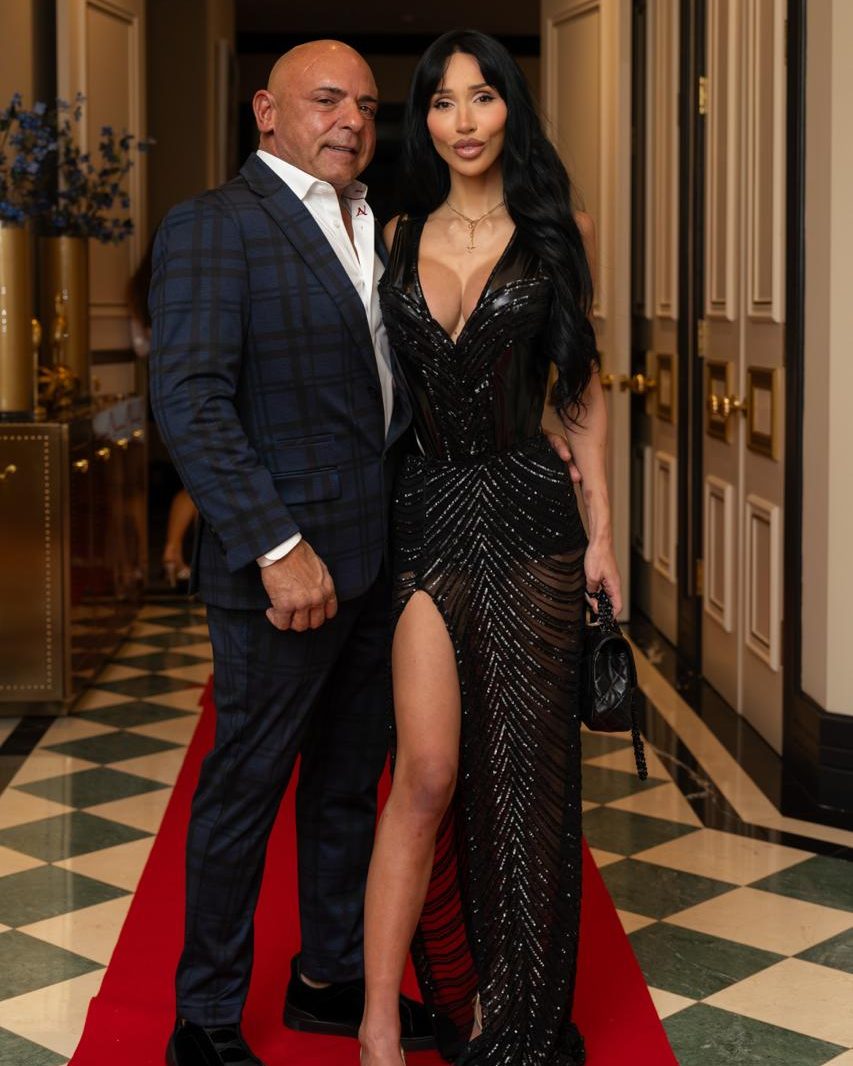
Hiring an event photographer in Toronto is one of the decisions that organizations get wrong most consistently, not because they don't care, but because the stakes aren't fully understood until after the event is over and the photos don't exist. Events happen once. There's no reshoot, no second chance, no going back for the image that didn't get captured. Every missed moment is permanently gone.
That's a different kind of risk from almost every other photography category. Brand shoots can be rescheduled. Headshots can be retaken. Event photography cannot. The permanence of that constraint is what makes the choice of photographer so consequential.
I am the Official Photography Sponsor of the SickKids Foundation Fired Up Gala for 2025 to 2026, an event held at The Ritz-Carlton Toronto. I've covered the Rémy Martin 300-year anniversary at the Hazelton Hotel Executive Suite, including an exclusive interview with Florian, a direct descendant of the Rémy Martin family, published in Spencer Magazine. I've covered international events for Rémy Martin and Louis XIII as their special events coverage photographer for over two years. I've shot the Ehlers-Danlos Society's five-day international medical conference. I've held credentialed press and media access at the UN Global Citizen Awards. And I've been the official photographer for Miss Universe Canada in 2023, 2024, and 2025.
These aren't categories I work adjacent to. They are the work. Here's what that experience means for your event.
The High Stakes of Event Photography: Why It's Not Like Other Photography
The deliverables from an event photography session serve multiple stakeholders simultaneously. The organizing team needs documentation for their records. Sponsors need coverage of their branding, their representatives, and their moments. Media and communications teams need content for press releases and social channels. And the organization needs imagery for future event promotion, the photographs from this year's gala are what convince next year's guests that the event is worth attending. Gala photography specifically operates at the intersection of several technical and social demands. Mixed lighting environments are the norm: warm candlelight in one corner, stage washes in another, flash-heavy cocktail hour spaces transitioning into carefully lit dinner settings. I know exactly what this looks like at the Ritz-Carlton. I know what it looks like at the Hazelton Hotel. Managing all of this while moving through a room, identifying VIP guests before they move on, and keeping pace with a program that doesn't pause is a specific kind of skill that only comes from doing this work at a high level over many events. The distinction I'd draw for any organization evaluating photographers is between a documentary photographer, someone who covers what's in front of them, and an event specialist who also captures the editorial moments: the genuine laugh between longtime donors, the quiet pride on a nonprofit founder's face during the award presentation, the backstage moment that tells a truer story than anything that happened on stage. Both types of coverage matter. Only one type of photographer delivers both.
What Professional Event Coverage Looks Like on the Ground
Pre-event work is where professional coverage starts. Before the first guest arrives, I'm reviewing the run of show, walking the room, identifying where key moments will happen and what the light will look like when they do. I know which guests are VIPs, which placements need sponsor coverage, and what the program sequence looks like so I'm in the right position when each moment arrives. I did this at the Rémy Martin 300-year anniversary. I do it at every event. It's not optional. It's the difference between capturing the moment and chasing it. Arrival and cocktail hour coverage is more important than most organizations realize. This is when guests are relaxed, when genuine conversations are happening, when the room is at its most naturally photogenic. The candid networking shots from this period often become the images that appear most in future promotion. They show the event as a real social experience, not just a formal program. Program coverage requires timing above everything else. Speeches, award presentations, performances, the decisive moments happen fast and don't repeat. A photographer who is adjusting settings or moving through the room at the wrong moment misses what can't be recovered. Being in position before the moment arrives, not after, is the discipline that separates professional event coverage from amateur documentation. The details matter as much as the people. Florals, table settings, signage, lighting design, specialty cocktails, architectural elements of the venue, these images tell sponsors that their investment in the event's production quality was documented. They also tell the story of the occasion in a way that portraits alone cannot. The combination of environmental and human coverage is what makes a complete event gallery. The close of an event is often photographically neglected. The moments that happen after the formal program ends, the genuine relief and joy of the organizing team, the lingering conversations between guests who didn't want to leave, the quiet backstage reality after the curtain comes down, these are among the most authentic images of the night. I stay until the story is finished.
BYJonathanLevy Media: A Track Record at Toronto's Highest-Profile Events
The events I've covered aren't hypothetical credentials. They represent specific, verifiable work at a real level of expectation and complexity. As Official Photography Sponsor of the SickKids Foundation Fired Up Gala 2025 to 2026, held at The Ritz-Carlton Toronto, I'm delivering coverage for one of Toronto's most prominent charity fundraising events, an organization whose photography standards reflect the caliber of its donor and sponsor community. There is no room for error at a gala where the guests are comparing their experience against a multi-year relationship with one of Canada's most respected children's hospitals. The Rémy Martin and Louis XIII special events coverage is where I've spent more than two years learning what luxury brand event photography demands. The 300-year anniversary event at the Hazelton Hotel Executive Suite was the pinnacle of that engagement, an exclusive, invite-only occasion where the photography was going directly into Spencer Magazine alongside an exclusive interview with a direct descendant of the Rémy Martin family. The visual standard matched the occasion. Holding credentialed press and media access at the UN Global Citizen Awards put me in a high-protocol environment where discretion, positioning, and technical execution under variable conditions were all required simultaneously. There is a specific kind of composure that events like these demand, and composure is only available to photographers who have built it over years of high-stakes work. Credentialed press and media coverage at the UN Global Citizen Awards gave me access to an international-scale event where the imagery produced becomes part of a global organization's permanent record. Three years as the Official Photographer for Miss Universe Canada, 2023, 2024, and 2025, is the credential that most directly demonstrates multi-stakeholder, live-event execution at a national production scale. What this track record means for your event is direct: you're not hiring someone who will figure it out as they go. The composure under pressure, the technical precision in mixed conditions, and the editorial eye for the moments that matter most have all been tested, repeatedly, at events that demanded it.
What to Ask When Hiring an Event Photographer in Toronto
Any serious conversation about event photography should include these questions, and the answers should be specific. Can you see a full event gallery, not just highlights? A curated selection of twenty images is easy to produce from a mediocre shoot. A full gallery of three hundred images from a gala reveals whether the quality is consistent across the entire event or concentrated in a few lucky frames. What is the turnaround time for post-event delivery? Organizations often need event images within 24 to 72 hours for media, social, and sponsor communications. Knowing the timeline before you hire prevents a painful conversation after. Does the photographer work alone or bring a second shooter? Larger events, those exceeding two hundred guests, with multiple simultaneous program elements or multiple physical spaces, benefit significantly from a two-photographer setup. Ask the question and understand what coverage you're actually buying. How do they handle low-light environments and mixed lighting? This is a technical question, and the answer should be technical. If a photographer can't explain their approach to mixed lighting at a gala, that's important information. What is their experience with VIP guests, media presence, and sponsor deliverables? Event photography in professional contexts requires social awareness and discretion alongside technical skill. The photographer who corners VIPs for forced portraits is creating problems, not solving them.