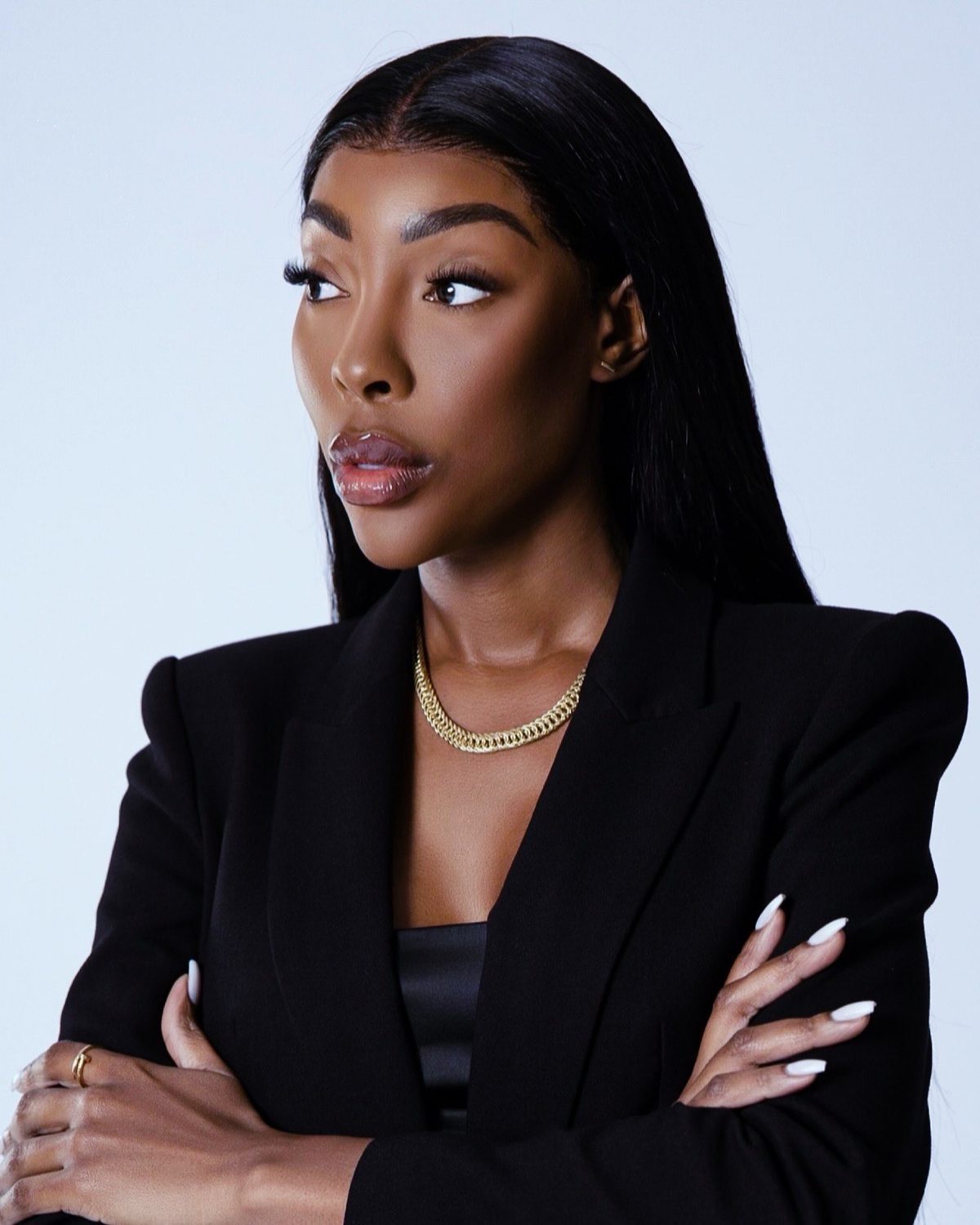
Actor headshots in Toronto are one of the most specific applications of portrait photography, and one of the most frequently misunderstood. The image has a single, precise job: to make a casting director want to meet you. Not to make you look beautiful. Not to document how you look right now. Not to demonstrate the photographer's style. To create a response in a specific professional who sees hundreds of these images every week and needs to make fast decisions about who gets called in and who doesn't.
I'm going to tell you something that most actor headshot photographers won't: I'm a working actor. I've done submissions, I've gone through auditions, and I've sat in the position you're in now. I know what it feels like to send your headshot out and wonder whether it's doing its job. I know what it feels like to walk into a casting session and wonder if what they expected from your photo matches what just walked through the door.
That perspective, from inside the industry, not just behind a camera, is what informs every actor headshot session I conduct. Understanding that function deeply, not abstractly, is what makes the difference between a headshot that works and one that costs you auditions you never knew you lost.
The Purpose of an Actor Headshot: It's Not What You Think
A headshot is not a glamour photo. It's not a modelling portfolio image. It's not a portrait in the fine art sense. It is a professional tool with a specific audience and a specific mission, and every decision made during the session should serve that mission. Toronto's acting market is competitive and dense. Casting directors and their associates move fast, your headshot has seconds, not minutes, to create a response before the next image replaces it in the stack. In that window, the image either communicates something specific about you as a performer and a type, or it doesn't. There is no middle ground that results in a callback. The look of an actor headshot has evolved substantially over the past decade. The high-key white background with a wide, magazine-style smile that dominated the market in the 2010s reads as dated to contemporary casting professionals. What's worked in the Toronto market in recent years is more naturalistic, images that feel like a real moment rather than a performance of "acting headshot." Understanding what's current is the photographer's responsibility, and if a photographer is still producing work that looks like 2012, that's worth knowing before you book. The most important thing a casting headshot can do is look exactly like you, on your best day. Not a retouched version of someone who shares your features. Not a version of you with different skin, different structure, or different proportions. You, in the best light, with the most compelling expression, looking like the person who will walk into the room when the casting director calls your name. The moment a casting professional feels deceived by the gap between a headshot and the real person, that actor's credibility is damaged. I understand this specifically because I've been on both sides of it. When you know what a performer looks like in real life versus what their headshot promised, you understand immediately what the gap costs them.
What Casting Directors in Toronto Are Looking For in 2026
Authenticity over perfection is the consistent signal from working casting professionals. They are not looking for a perfect face or a flawless presentation. They are looking for a real person with a specific type, specific energy, and specific casting potential. Over-retouched shots, skin that looks plastic, eyes that have been digitally brightened beyond recognition, structural elements of the face that have been altered, get passed because they communicate inauthenticity. Casting directors are in the business of reading people, and they can tell when an image has been manipulated past the point of honesty. Clear, unambiguous type is the single most commercially valuable quality a headshot can communicate. Casting decisions begin with type, what kind of roles is this person right for? Your headshot should answer that question without ambiguity. This doesn't mean you should limit yourself to one narrow category for your entire career. It means that each headshot in your kit should communicate a specific, clear type: the lead, the character, the corporate professional, the rough-edged supporting role. Trying to communicate all types simultaneously in a single image communicates none of them. Eyes that connect with the lens are what casting directors discuss more than any other technical element when they talk about what makes a headshot work. The eyes in a great acting headshot are not looking at the camera. They are connecting through it. The difference is felt, not described. It's the result of a subject who is genuinely present, genuinely engaged, and being directed by a photographer who understands how to create that state. Creating that state is active work on my end. I don't wait for it to happen naturally. I direct you into it. Contemporary without being trendy is the bar to clear in terms of the overall look and processing of the image. Your headshot should not look like it was taken five years ago. It should also not look like it was processed with the specific filter that dominated social media in the past six months. Contemporary reads as current and professional. Trendy reads as short-lived.
Common Actor Headshot Mistakes (Toronto Edition)
Busy backgrounds are the most immediate technical problem in a significant proportion of actor headshots. Your face is the subject, the only subject. A background with visual complexity, strong color contrast, or distracting architectural elements competes with your face for the viewer's attention. The background's job is to frame your face and recede. Anything that doesn't accomplish that is working against the purpose of the image. Wardrobe that speaks louder than the actor is a related problem. Patterns create visual noise that pulls the eye away from the face. Logos raise questions and introduce brand associations that don't belong in a casting headshot. Overwrought styling, jewelry that catches the light, layered textures that create visual complexity, serves the wardrobe rather than the performer. The wardrobe in a strong actor headshot says "this is a professional who takes their type seriously." It doesn't say anything else. The "photo studio smile" is the expression that casting directors recognize immediately and respond to negatively. It's the frozen, over-bright, slightly panicked version of a smile that appears when someone who isn't used to being photographed is trying to look happy on command. It's a performance of happiness rather than an expression of it, and it reads as fake to anyone who spends their professional life evaluating performances. I've been in that chair as an actor. I know what creates the frozen expression. I know how to break it. Using an outdated headshot is a more common mistake than the industry likes to admit. If your hair, your weight, your overall look, or simply your age has shifted meaningfully in the past two years, your current headshot is creating false expectations. The gap between what a casting director expects to see, based on your headshot, and what walks through the door erodes trust immediately.
How to Prepare for Your Actor Headshot Session
Wardrobe preparation should begin at least a week before the shoot, not the morning of. Choose three to four solid-colour options that reflect your type clearly and read well on camera. Avoid whites (which blow out under studio light), patterns (visual noise), and anything with visible logos. Bring options that represent different registers: one that reads as more formal or dramatic, one that reads as casual and contemporary, one that reflects a specific type you're actively pursuing. Grooming for a headshot session is about looking like yourself, a well-rested, well-prepared version of yourself, not a dramatically altered version. In the 24 hours before the shoot, avoid anything dramatic: no new haircut, no experimental styling, no spray tan. Men: grooming choices should reflect how you'd present for an audition, not how you'd present for a formal occasion. Women: hair and makeup should be clean and polished without reading as over-produced. Rest and mindset are not soft preparation. They're the conditions that determine whether the eyes in your headshot are alive or flat. Show up well-slept, well-fed, and genuinely present. The camera records physical state with ruthless accuracy. Everything else, lighting, direction, wardrobe, is in service of what you bring to the moment. Bringing visual references is useful, with an important caveat. References of casting energy you want to project are valuable: the mood, the register, the type of connection you want the camera to capture. References of specific poses to copy are not. Poses copied from other actors' headshots produce images that look borrowed, not inhabited. Direction during the session is my responsibility, not yours. You will be coached on expression, posture, and the subtle physical adjustments that change the entire reading of a frame. Your job is to stay present, respond to direction, and trust that the technical execution is handled. I've been the actor in this situation. I know what works. A great actor headshot is a collaboration, and the photographer's side of that collaboration is active and specific.