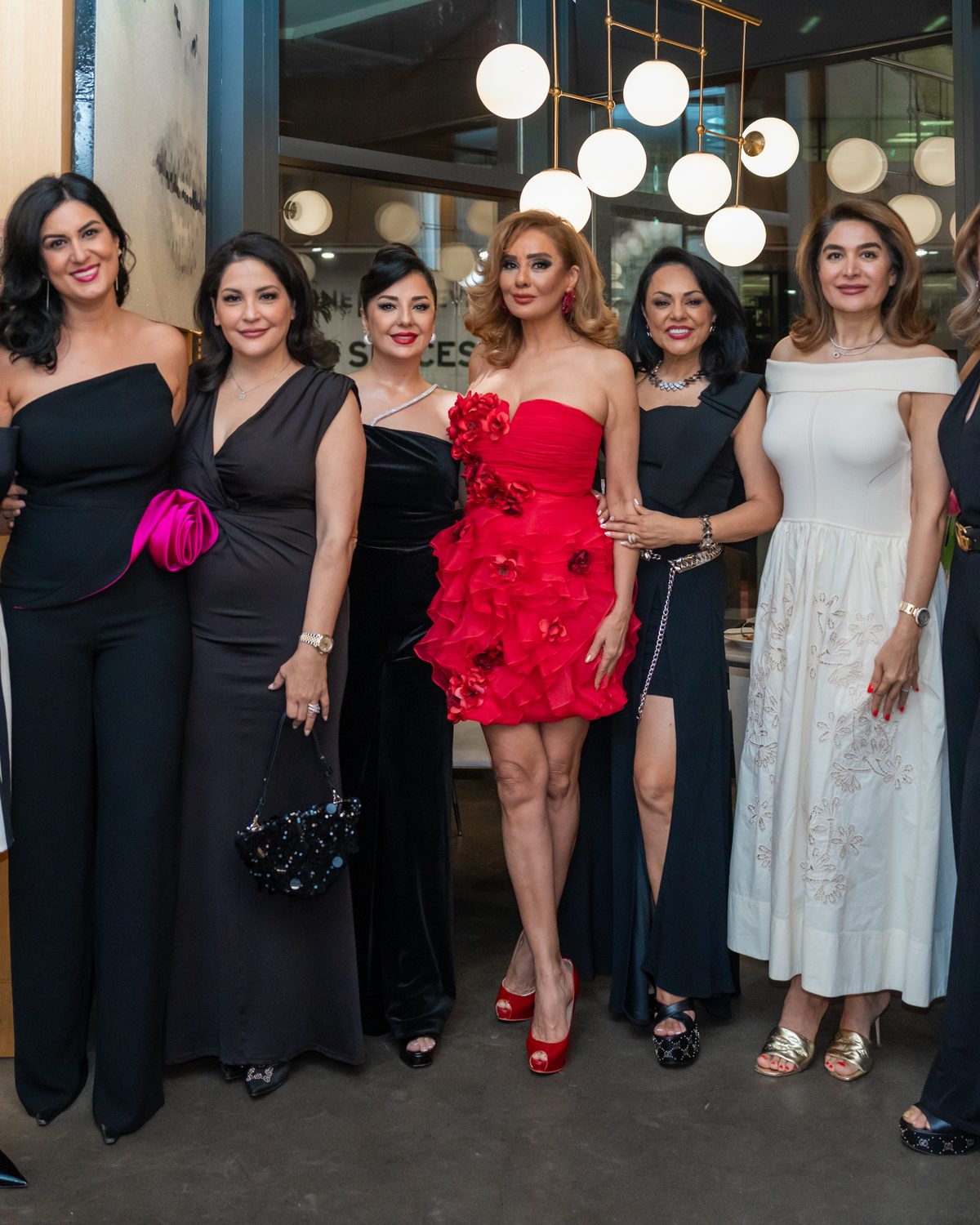
Most companies plan the food, the venue and the playlist for their holiday party months out. The photography gets decided the week of, and it usually goes to whoever on the team owns a decent phone.
Then the photos get used. They go into the internal newsletter, onto the careers page, into a LinkedIn post about culture, and into the invitation for next year. A party that cost real money to throw ends up represented by forty blurry frames with one person's thumb in the corner.
If you are looking for a corporate holiday party photographer in Toronto, the good news is that this is a solvable problem and the solving happens early. Here is what to settle before the calendar fills up.
Why a Holiday Party Is Harder to Photograph Than It Looks
A holiday party looks easy because everyone is relaxed. That is exactly what makes it difficult. The room is usually dim on purpose. Candles, string lights, coloured uplighting and a projector screen behind the speaker all throw different light at different temperatures. People are holding drinks, moving constantly, and turning away mid-sentence. Nobody stands still for a posed photo unless somebody organizes it. None of this is unique to holiday parties. I've spent more than two years covering special events for Rémy Martin and Louis XIII, and I'm the official photography sponsor of the SickKids Fired Up Gala at The Ritz-Carlton Toronto. Low light, moving crowds and no chance for a do-over are the working conditions in every one of those rooms. A holiday party has the same problem with a warmer mood, and the same rule applies: whatever you didn't capture in the moment is gone. The difference is the audience. A gala has a guest list built around a cause. A company party has your own people in it, the ones you'll see again on Monday. That changes what good coverage looks like.
Decide What the Photos Are For First
This is the question that shapes everything else, and most companies never ask it. If the photos are for internal use only, the goal is warmth. Candid frames of people laughing, teams grouped together, the CEO's short speech, the moment the room got loud. Nobody needs a perfect portrait of every guest. If the photos will appear on your website or social channels, you need more control. Clean group shots, a few posed portraits of leadership, wide frames that show the room and the setting, and a shot list that keeps stray guests out of the background. You also need to know who is comfortable being posted publicly and who is not. If the photos serve recruiting, the brief changes again. Prospective hires want to see what it feels like to work at your company. That means faces and real interaction, not a stack of table centrepieces. Most parties want a mix of all three. That's fine, but say so up front. A photographer who knows the photos are meant for the careers page will spend the first twenty minutes getting clean team frames while the room is still fresh, and will stay out of the way later when the mood turns loose.
Settle These Four Things Before the Date
Timeline. Get the run of show in writing: doors, arrivals, food, speeches, any awards or announcements, the moment the dancing or mingling starts. A photographer needs to know when the speeches happen so they're positioned before the microphone goes live, not walking in during the second sentence. Ask when the CEO plans to speak and where they'll stand. Light. Ask the venue what the room looks like at 8:00 PM, not at the site visit at 2:00 PM. Ask whether the lighting can be adjusted for the speeches. A professional photographer works with what the room gives them, but a two minute conversation with the venue about a spotlight on the podium is worth more than any piece of gear. The planned portraits. Decide whether you want a group photo, a leadership photo, department shots or a step-and-repeat backdrop, and when each will happen. Group photos work best early, before the evening loosens up and people scatter. Pick a spot near the entrance or a quiet wall, tell people when it's happening, and give it ten minutes. Consent and privacy. Check your own company policy on photos before the event, and tell your photographer what it says. Some guests won't want to appear on social media. Some will be clients or partners who shouldn't be photographed at a staff event. A short note on the invitation saying that a photographer will be present takes a few seconds to write and removes most of the awkwardness later. Give your photographer a name to check with if a question comes up during the night.
When to Book
Photographers get booked on the same handful of dates your party is competing for. The practical rule is simple: once your date and venue are confirmed, book the photographer that same week. Waiting until you've sorted the menu and the entertainment usually means you're choosing from whoever is left. If your date is still open, ask any photographer you're considering which dates they're already holding. It's a fair question and a quick way to know whether the conversation is worth continuing.
What You Should Get Back, and When
Ask three questions before you sign anything. How many images will I receive, and are they edited? Delivery-ready images are colour-corrected and selected. A folder of unedited files is not the same thing, and the difference shows the first time you use them. When will they arrive? At BYJonathanLevy Media, most edited galleries are delivered within 48 to 72 hours, and rush selects are available if you have a press deadline or want to post to social while the event is still fresh. Whoever you hire, get the date in writing. What can I use them for? Internal use, website use, social media and paid advertising can be treated differently. Sort out usage before the event, not after someone in marketing wants to run a photo as an ad.
How Coverage Works With BYJonathanLevy Media
Event coverage starts before the event does. A pre-event briefing covers the schedule, the key people, the moments that matter most and what the finished gallery needs to do for you. That prep means no time is wasted on the night working out what's important. On the floor, the job is two things at once: get every must-have on your list, and stay alert for the moments nobody planned. The best photo of a holiday party is rarely the one on the schedule. It's the one where two colleagues who only ever meet on video calls finally stand in the same room and forget a camera is there. The aim is to work quickly and quietly enough that guests barely notice the camera, so they enjoy their evening and you end up with a record that feels like the party did.
The Short Version
Decide what the photos are for. Put the run of show in writing. Talk to the venue about light. Plan the group photo early. Sort out consent and usage before the night, not after. Book the photographer the week your date is confirmed. Do those things and a holiday party stops being a photography gamble. It becomes a set of images you'll use for the next twelve months.